I Rocker Her Once Again She Started Talking Japanese
Do you lot want to start speaking Japanese right this second? Start with these 250 crucial survival phrases, everyday conversational words and more.
Just click on a discussion or phrase to hear its pronunciation!
Contents
- Basic Japanese Phrases
-
- おはようございます "ohayou gozaimasu" — Practiced morning
- こんにちは "konnichiwa" — Hello / good afternoon
- 久しぶり (ひさしぶり) "hisashiburi" — Information technology'south been a while
- お名前は何ですか?(おなまえは なんですか?) "o namae wa nan desu ka?" — What'southward your name?
- …です "…desu" — I am… / It is…
- 好きです (すき です) "suki desu" — I like information technology
- 好きではありません (すきでは ありません) "suki dewa arimasen" — I don't like information technology
- いいですよ "two desu yo" — It's proficient
- ダメです (だめ です) "dame desu" — Information technology'southward no good
- 日本語で話しましょう (にほんごで はなしましょう) "nihongo de hanashimashou" — Let's talk in Japanese
- もう一度言ってください (もういちど いって ください) "mou ichido itte kudasai" — Please say information technology over again
- Saying Yes and No in Japanese
-
- Saying "yep" in Japanese
- Saying "no" in Japanese (while saving face)
- Basic Japanese Question Words
-
- 何 (なに) "nani" — What
- どこ "doko" — Where
- 誰 (だれ) "dare" — Who
- いつ "itsu" — When
- どうして "doushite" — Why
- なぜ "naze" — Why
- いくら "ikura" — How much
- どちら "dochira" and どれ "dore" — Which I?
- Please, Cheers and Apologies in Japanese
-
- ありがとうございます "arigatou gozaimasu" — Thanks
- どういたしまして "douitashimashite" — You're welcome
- 問題ないです (もんだい ない です) "mondai nai desu" — No problem
- ください "kudasai" — Please (requesting)
- どうぞ "douzo" — Please (offering)
- お疲れ様です (おつかれさま です) "otsukaresama desu" — Thank yous for your efforts
- 失礼します (しつれい します) "shitsurei shimasu" — Excuse me (for my rudeness)
- すみません "sumimasen" — Excuse me, I'one thousand distressing
- ごめんなさい "gomen nasai" — I'one thousand distressing
- Japanese Phrases to Express "I Don't Sympathise"
-
- 分かりません (わかりません) "wakarimasen" — I don't understand (formal)
- もう一度言ってください (もう いちど いって ください) "mou ichido itte kudasai" — Please say that again
- ゆっくりお願いします (ゆっくり おねがい します) "yukkuri onegai shimasu" — Slowly, Please
- 聞こえませんでした (きこえません でした) "kikoemasen deshita" — I didn't hear that
- Survival Japanese: Vocabulary for Travel
-
- すみません、地下鉄/駅はどこですか?(すみません、ちかてつ/えきはどこですか?) "sumimasen, chikatetsu/eki wa doko desu ka" — Alibi me, where'due south the subway/station?
- この電車は…駅に止まりますか?Does this railroad train stop at…station?
- タクシーのりばはどこですか?Where is the taxi platform?
- …まで連れて行ってください。Please take me to…
- 予約をしたいのですが。(よやくをしたいのですが) "yoyaku wo shitainodesuga" — I'd similar to brand a reservation.
- チェックアウトは何時ですか?(ちぇっくあうとはなんじですか?) "chekkuauto wa nanji desu ka" — What time is checkout?
- 道に迷ってしまいました。(みちにまよってしまいました。) I'thou lost.
- たすけて! "tasukete" — Assist!
- 警察/救急車を呼んでください。(けいさつ/きゅうきゅうしゃをよんでください。) "keisatsu/kyuukyuusha wo yondekudasai" — Please call the police/ an ambulance.
- Common Japanese Words for Coincidental Conversations
-
- よろしくね "yoroshiku ne" — Overnice to run into you lot (casual)
- どうしたの? "doushita no?" — What's wrong?
- やばい "yabai" — Awful or cool
- 頑張って (がんばって) "ganbatte" — Practice your best
- おめでとう! "omedetou!" — Congrats!
- マジで? (まじ で?) "maji de?" — Actually?
- うそー! "uso!" — No way!
- Japanese Pronouns
-
- 私 (わたし) "watashi" — I (all genders)
- 僕 (ぼく) "boku" — I (usually male)
- 俺 (おれ) "ore" — I (male)
- 自分 (じぶん) "jibun" — Myself / yourself / themselves
- あなた "anata" — Yous
- 君 (きみ) "kimi" — You
- 彼 (かれ) "kare" — He / him
- 彼女 (かのじょ) "kanojo" — She / her
- …たち "tachi" — "…And company" (pluralizes pronouns)
- これ "kore" — This
- それ "sore" — That
- あれ "are" — That (over there)
- Numbers and Quantities in Japanese
-
- Counting to 10 (and beyond) in Japanese
- Mutual Japanese counters
- いくつ "ikutsu" — How many…?
- 何… (なん) "nan" — How many…?
- 多い (おおい) "ooi" — many
- 少ない (すくない) "sukunai" — few
- たくさん "takusan" — a lot
- 少し (すこし) "sukoshi" — a little
- Time Phrases in Japanese
-
- 今何時ですか? (いまなんじですか?) "ima nanji desu ka" — What time is information technology?
- いつですか?"itsu desu ka" — When is it?
- どのぐらいかかりますか?"dono gurai kakarimasu ka" — How long does it take?
- 何時から何時までですか?(なんじからなんじまでですか?) "nanji kara nanji made desu ka" — From what time until what time…?
- …時です (じです) "…ji desu" — It'due south … o'clock.
- …時間です (じかんです) "… jikan desu" — … hours.
- …分です (ふんです) "…pun/fun desu" — … minutes.
- Japanese Phrases for Grabbing a Bite
-
- お腹が空いています (おなかが すいて います) "onaka ga suite imasu" — I'grand hungry
- まだ食べていません (まだ たべて いません) "mada tabete imasen" — I haven't eaten even so
- メニュー、お願いします (めにゅー、おねがい します) "menyuu, onegai shimasu" — Delight bring me a carte du jour
- それは何ですか? (それは なんですか?) "sore wa nan desu ka" — What'due south that?
- これを食べてみたいです (これを たべて みたい です) "kore o tabete mitai desu" — I'd similar to try this
- …をください "…o kudasai" — I'd like…
- …がありますか?"…ga arimasu ka" — Do you have…?
- …付きですか? (…つき ですか?) "…tsuki desu ka" — Does it come with…?
- …が食べられません (…が たべられません) "…ga taberaremasen" — I can't eat…
- …アレルギーがあります (…あれるぎーが あります) "…arerugii ga arimasu" — I'm allergic to…
- おいしいです! "oishii desu!" — It's delicious!
- まずいです "mazui desu" — It's terrible
- お腹が一杯です (おなかが いっぱい です) "onaka ga ippai desu" — I'm total
- お勘定/お会計、お願いします (おかんじょう/おかいけい、おねがい します) "okanjou/okaikei, onegai shimasu" — Check, delight
- いただきます "itadakimasu" — Let'due south dig in
- ごちそうさまでした "gochisousama deshita" — Thanks for the repast
- Japanese Phrases for Social Gatherings
-
- 食べましょう (たべましょう) "tabemashou" — Allow'due south eat
- 飲みましょう (のみましょう) "nomimashou" — Let's beverage
- 行きましょう (いきましょう) "ikimashou" — Allow's become
- やったー! "yatta" — Yay!
- 乾杯! (かんぱい!) "Kanpai" — Thanks!
- 嬉しいです (うれしい です) "Ureshii desu" — I'm happy
- お代わりをください (おかわりを ください) "okawari o kudasai" — Refill, please
- 大丈夫です (だいじょうぶ です) "daijoubu desu" — I'g fine
- Shopping in Japanese
-
- いらっしゃいませ "irasshaimase" — Welcome
- これは何ですか?(これは なんですか?) "kore wa nan desu ka" — What is this?
- これは何というものですか? (これは なんという もの ですか?) "kore wa nan to iu mono desu ka" — What's this chosen?
- これはいくらですか?"kore wa ikura desu ka" — How much is this?
- ちょっと高いです (ちょっと たかい です) "chotto takai desu" — It'due south a scrap expensive
- 他の色がありますか? (ほかの いろが ありますか?) "hoka no iro ga arimasu ka" — Practice you lot have some other color?
- それを頂きます (それを いただきます) "sore o itadakimasu"— I'll accept it
- クレジットカードは使えますか? (くれじっとかーどは つかえますか?) "kurejitto kaado wa tsukaemasu ka" — Tin I utilize my credit card?
- 包んでいただけますか? (つつんで いただけますか?) "tsutsunde itadakemasu ka" — Can I have information technology gift wrapped?
- Japanese Slang
-
- ウケる (うける) "ukeru" — Funny, hilarious
- 超 (ちょう) "chou" — Super
- ダサい (ださい) "dasai" — Lame
- キモい (ださい) "kimoi" — Gross
- ガチ (がち) "gachi" — Totally, really, seriously
- 半端ない (はんぱない) "hanpa nai" — Crazy, insane
- The Most Common Japanese Nouns
-
- People
- Time
- Directions
- Places
- Vehicles
- Food & Drink
- Other Useful Terms
- Japanese Goodbyes: Farewell, Friend. Let's Keep in Impact.
-
- メアドを教えてもらえますか?(めあどを おしえて もらえますか?) "meado o oshiete moraemasu ka" — Could I have your e-mail address*?
- 手紙書くよ (てがみ かくよ) "tegami kaku yo" — I'll write yous messages
- 着いたら、電話します/メールします (ついたら, でんわ します/めーる します) "tsuitara, denwa shimasu/meeru shimasu" — I'll call/email yous when I get in
- またすぐに来ますよ (また すぐに きますよ) "mata sugu ni kimasu yo" — I'll be back soon
- 遊びに来てくださいね (あそびに きて くださいね) "asobi ni kite kudasai ne" — Come visit me
- じゃあ、また! "jaa, mata!" — See you lot!
- お元気で (おげんきで) "o genki de" — Take care
Basic Japanese Phrases

おはようございます "ohayou gozaimasu" — Proficient morning
The casual version is "ohayou." In a workplace, someone greeting a colleague for the offset time that day might use this phrase—even if the clock reads 7 PM.
こんにちは " konnichiwa" — Hi / skilful afternoon
Konnichiwa tin can be used whatever time of mean solar day as a general greeting, but it'south about ordinarily used between 11 AM and 5 PM.
久しぶり (ひさしぶり) " hisashiburi" — Information technology's been a while
Use this phrase when you're greeting someone you haven't seen in a while.
お名前は何ですか?(おなまえは なんですか?) " o namae wa nan desu ka?" — What's your name?
This is a polite style to enquire someone for their name. The more informal version is: " O namae wa?" — Your name is…?
…です " …desu" — I am… / Information technology is…
Desu is a copula (a word that links the bailiwick of a judgement to its complement), but information technology might be easiest for beginners to simply think of it as the equivalent of the English discussion "to be." Unlike "to be," desu stays the same regardless of the subject.
Hither are some examples: "Tomu desu" — I'1000 Tom. "Atsui desu" — It's hot/I'm hot. "Osoi desu" — You lot're late!
好きです (すき です) " suki desu" — I like it
You tin say what you like and add together "…ga suki desu. For instance, I have a huge sweet molar, so I'd say: "Okashi ga suki desu." — I like sweets.
好きではありません (すきでは ありません) "suki dewa arimasen " — I don't like it
If something's just non to your liking, employ this phrase.
いいですよ " ii desu yo" — It's proficient
Call up of this phrase as a gentle mode to say, "It's all good." You'll often likewise hear "2 yo" (especially from females).
ダメです (だめ です) " dame desu" — It's no good
To say something is "no good," you can simply say "dame," or "dame da" (both are casual).
日本語で話しましょう (にほんごで はなしましょう) " nihongo de hanashimashou" — Let's talk in Japanese
Native Japanese speakers are often all too happy to help you do your language skills with them!
もう一度言ってください (もういちど いって ください) " mou ichido itte kudasai" — Please say information technology once more
A useful phrase for any learner to know.
Download: This web log mail service is available as a convenient and portable PDF that y'all tin can take anywhere. Click here to get a copy. (Download)
Saying Yes and No in Japanese
Saying "yes" in Japanese
The basic word for "yes" in Japanese is hai, simply there are several ways to express it either verbally or with expressions:
はい "hai"
そう "sou"
うん "un"
ああ "aa"
ええ "ee"
もちろん "mochiron" — Of grade
そうです "sou desu" — That's correct
いいですよ "ii desu yo" — Okay
The Japanese use "aizuchi," which are simple words or gestures that all mean "Yep" to signal y'all're listening. These include phrases similarsou, un, aa or ee.
Alternatively to one-word affirmatives, you can saymochiron, sou desu orii desu yo to mean "that'south right."
Some other style to say "yes" is with not-exact cues similar nodding your head upwardly and downward or giving a thumbs upwards.
Saying "no" in Japanese (while saving confront)
While there are several terms for saying yes in Japanese, saying "no" is much trickier. The bones word for "no" is "iie," but there are more polite ways to limited "no" to safeguard the listener's feelings:
いいえ "iie"
ううん "uun"
いやー "iya"
だめ "dame"
ちょっと… "chotto…"
If you lot utilize chotto, recollect to trail off at the cease, as you're basically saying "it's a little…"
In business settings, two simple phrases to convey "no" without proverb "no" are:
難しいです 。 (むずかしい です。) "muzukashii desu" — Information technology's hard.
考えておきます。 (かんがえて おきます。) "kangaete okimasu" — I'll think about it.
While not outright saying "no," they express a refusal to the listener without sounding boorish.
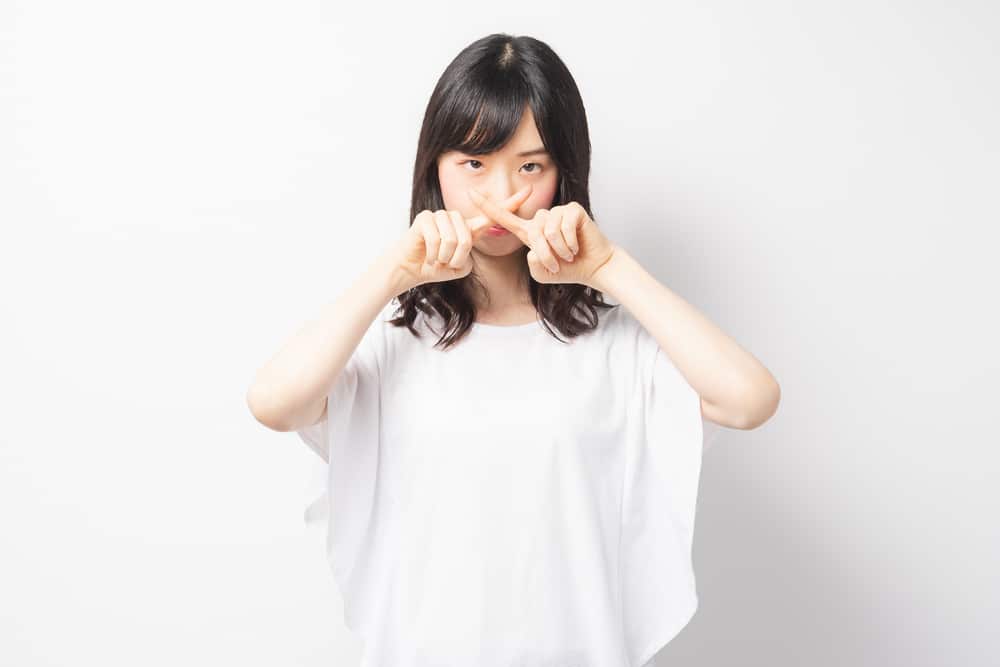
There are several non-verbal ways to express "no." Rubbing the back of the neck, making an "X" with both artillery or even taking in a deep jiff all hateful "no."
Basic Japanese Question Words
Knowing some of the essential Japanese question words volition become a long way toward getting your questions across to Japanese speakers.
何 (なに) "nani" — What
Nani can be used alone or in a sentence. When placed before desu, the word nani drops its -i and becomes, simply, nan. For instance: "Kore wa nan desu ka?" — What is this?
どこ "doko" — Where
Doko is used when asking for a location, like this: "Toire wa doko desu ka?" — Where is the toilet? If you lot don't know the give-and-take for the identify you're looking for, another helpful option is pointing to it on a map and request "Doko desu ka? " — Where is it?
誰 (だれ) "dare" — Who
You can ask who someone is past simply request "Dare?" If yous're referring to a specific person, ad it before dare: "Kanojo wa dare desu ka?" — Who is she?
いつ "itsu" — When
Itsu can be used solitary, depending on the context, or in a sentence. For example, if a friend tells you the sequel of your favorite show is out soon, you might ask "itsu?"
どうして "doushite" — Why
If yous demand to enquire politely, say it as "Doushite desu ka?" If y'all're with friends or family unit, yous can use the casual form "Nande," instead.
なぜ "naze" — Why
This is pretty similar to doushite, but a scrap more than formal. Naze is also used to ask the reason backside something, while doushite has a dash of "how" to it.
いくら "ikura" — How much
While out and most in Nippon, y'all may spot something that catches your eye. Ikura is the question word for "How much?"
どちら "dochira" and どれ "dore" — Which One?
When choosing between two things, employ dochira. If choosing from more than three things, use dore.
Please, Thank You and Apologies in Japanese
The following phrases and expressions volition help you lot ease into a conversation with anyone and everyone y'all collaborate with.
ありがとうございます "arigatou gozaimasu" — Give thanks y'all
The friendlier, more than casual way to say thanks is arigatou. You lot'll also come across its abbreviation, "ari," pretty often on Japanese message boards. A friend might just thank you with "doumo" — thanks
どういたしまして " douitashimashite" — You're welcome
Although this is technically the correct response to "thank you," it'due south rarely used these days in casual Japanese conversation. Opt instead for the post-obit phrase!
問題ないです (もんだい ない です) "mondai nai desu" — No problem
This phrase is used pretty much the same manner every bit it is in English.
ください "kudasai" — Please (requesting)
The discussion kudasai is used when making requests as in these examples: "Isoide kudasai." — Please hurry, or " Koohii o kudasai? " — Can I please take a coffee?
どうぞ "douzo" — Please (offering)
Usingdouzo is similar saying, "Please go alee." You tin can use it when ushering someone through the door earlier yous, or offering a coworker some delicious snacks, for example.
お疲れ様です (おつかれさま です) "otsukaresama desu" — Thanks for your efforts
This expression is frequently said when you, or someone else, finishes their piece of work as a parting sentiment. You can retrieve of it as saying, "that'south a wrap for the day."
失礼します (しつれい します) "shitsurei shimasu" — Excuse me (for my rudeness)
Another expression normally heard in the office, shitsurei shimasu is used when you're leaving a room. Information technology'southward like to proverb "Sorry to have bothered you." You can also cease a formal or polite telephone call with this phrase.
すみません "sumimasen" — Excuse me, I'm sorry
Sumimasen is often used to say "Excuse me" (similar if y'all need aid getting directions ) and "Sorry" (like when y'all accidentally nudge someone). It tin too be said equally a "thanks" when you've troubled someone (Think: "Thanks for letting me put you out").
ごめんなさい " gomen nasai" — I'm deplorable
Among family unit members, friends and in casual situations, gomen nasai replaces sumimasen when maxim deplorable. Yous can use the less formal gomen and gomen ne among those who are shut to you.
Japanese Phrases to Express "I Don't Understand"

There are multiple ways to express "I don't understand" in Japanese. Here are the most important ones!
分かりません (わかりません) "wakarimasen" — I don't understand (formal)
The most formal phrase that works in whatever situation is wakarimasen. If y'all're around friends, you lot can use the coincidental variant, wakaranai.
もう一度言ってください (もう いちど いって ください) "mou ichido itte kudasai" — Please say that once more
If y'all've misheard your friend or colleague, y'all tin ask them to repeat what they said by using this phrase: "Sumimasen, mou ichido onegai shimasu." — Excuse me, one more than fourth dimension please.
ゆっくりお願いします (ゆっくり おねがい します) "yukkuri onegai shimasu" — Slowly, Please
This is the polite way to ask someone to repeat what they said at a slower pace.
聞こえませんでした (きこえません でした) "kikoemasen deshita" — I didn't hear that
Use this phrase to let someone know y'all didn't catch what they said.
Survival Japanese: Vocabulary for Travel

These handy phrases will give you what y'all demand to get around Nihon and, in case of an emergency, ask for help.
すみません、地下鉄/駅はどこですか?(すみません、ちかてつ/えきはどこですか?) "sumimasen, chikatetsu/eki wa doko desu ka" — Excuse me, where's the subway/station?
Trains and subways are the primary mode of transportation in Nippon, then you'll need to utilize this to figure out where you're supposed to board.
この電車は…駅に止まりますか?Does this train terminate at…station?
If yous're on a bus, you tin can inquire: "Kono basu wa…ni ikimasu ka?" — Does this bus go to…?
タクシーのりばはどこですか?Where is the taxi platform?
Although expensive, taxis are a handy way of getting where you need.
…まで連れて行ってください。Please take me to…
If you lot're going to your hotel, a eatery or the identify you agreed to meet your friends, use this phrase to tell the taxi driver where you want to get.
予約をしたいのですが。(よやくをしたいのですが) "yoyaku wo shitainodesuga" — I'd like to brand a reservation.
If you've made a reservation in accelerate, yous can say: "Yoyaku shiteimasu. " — I take a reservation.
チェックアウトは何時ですか?(ちぇっくあうとはなんじですか?) "chekkuauto wa nanji desu ka" — What time is checkout?
Be sure to use this phrase so you know when you need to exit your room!
道に迷ってしまいました。(みちにまよってしまいました。) I'one thousand lost.
Uh-oh, looks like y'all got a fleck turned around! Non to worry, a friendly passerby volition be certain to help you lot out if you apply this phrase.
たすけて! "tasukete" — Help!
This is used for emergencies, like in an accident or y'all're in existent danger. To enquire for everyday help, you can say: "Tetsudatte kuremasen ka?" — Could you help me?
警察/救急車を呼んでください。(けいさつ/きゅうきゅうしゃをよんでください。) "keisatsu/kyuukyuusha wo yondekudasai" — Please phone call the police/ an ambulance.
Hopefully you lot'll never need to use this, just it'south of import to know just in case. Here'due south a useful notation: the emergency numbers in Japan are 119 for an ambulance and 110 for the police.
Common Japanese Words for Casual Conversations

Want to sound like a native when you lot know minimal Japanese? There are a few common phrases you tin employ with friends in casual conversations.
よろしくね "yoroshiku ne" — Nice to meet you (casual)
The more formal version of this phrase is "Yoroshiku onegai shimasu." — Nice to meet you.
どうしたの? "doushita no?" — What's wrong?
If your friend seems troubled, you can casually ask "Doushita no?" to detect out what'south incorrect.
やばい "yabai" — Atrocious or cool
While talking, your friend may mention they have an of import examination or date. Utilise yabai and depending on the context, information technology can mean "Awful" or "Cool."
頑張って (がんばって) "ganbatte" — Do your all-time
This elementary discussion ways either "good luck" or "exercise your all-time." In more formal situations, you'd say: "Ganbatte kudasai" — Do your all-time (formal)
おめでとう! "omedetou!" — Congrats!
The formal variant is: "Omedetou gozaimasu" — Congratulations.
マジで? (まじ で?) "maji de?" — Really?
You lot can express your surprise with this casual phrase.
うそー! "uso!" — No way!
This is another way to express surprise, which literally means "lie!"
Japanese Pronouns
Japanese has a wide diverseness of pronouns y'all can use, helping you make your sentences more directly when you're referring to yourself, your friend or your friend's swain.
私 (わたし) "watashi" — I (all genders)
Watashi is the go-to in polite situations. It'south sometimes pronounced watakushi for extra formality, and some female person speakers may shorten it to atashi in casual settings.
僕 (ぼく) "boku" — I (usually male)
Boku is by and large used past men and boys when they're among friends. Present, some girls employ boku, besides, which gives off an air of tomboyish-ness.
俺 (おれ) "ore" — I (male person)
While boku is sometimes used by girls, ore is an exclusively male pronoun. It gives off a chip of a rough image, so it's only used amid close friends in casual situations.
自分 (じぶん) "jibun" — Myself / yourself / themselves
Jibun is used to refer to a sense of cocky. Information technology tin can also accept a variety of forms, like jibun no for 1's ain (something), and jibun de (by yourself). It's besides a more polite way of referring to someone else.
あなた "anata" — Y'all
Anata translates to "you," just it's non used in the style it's used in English. Most of the time, Japanese omits "you" altogether, favoring a person'south name instead. It tin likewise be used every bit a term of endearment between couples.
君 (きみ) "kimi" — You
Kimi is largely used to talk to someone of lower status than yourself, such as a boss talking to their employees. Information technology'southward also used to add together some pizzazz to writing, such equally in the hitting movie "Kimi no na wa" — "Your Proper noun."
彼 (かれ) "kare" — He / him
While the Japanese linguistic communication does favor using a person's name over 2nd or third person pronouns, using kare is perfectly okay. Plus, kare can be used to refer to someone'due south young man.
彼女 (かのじょ) "kanojo" — She / her
Same every bit kare, but for women. In the same way every bit kare, m anojo can likewise be used to refer to a girlfriend!
…たち "tachi" — "…And visitor" (pluralizes pronouns)
To plough a pronoun into a plural, just add -tachi. For instance, "we" can be expressed as "watashi tachi," "you lot" can exist "kimi tachi," a group of women can be"kanojo tachi"and "Sasuke and his friends" becomes "Sasuke tachi."
これ "kore" — This
Used to refer to something shut to the speaker.
それ "sore" — That
Used to refer to something shut to the listener.
あれ "are" — That (over there)
Used to refer to something far from both the speaker and the listener.
Numbers and Quantities in Japanese
Counting to 10 (and beyond) in Japanese
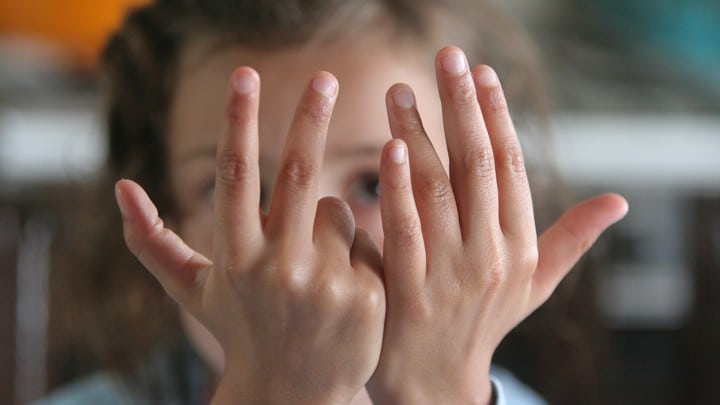
Similar English, Japanese has two forms of counting: ordinal and cardinal. A central number counts how many of something there are (one, 2, iii), while an ordinal number denotes the lodge or placement of something (kickoff, second, tertiary).
Y'all'll learn the ordinal numbers as you lot report, but knowing the numbers one through x is a skilful starting betoken for any learner. Here they are in Japanese, forth with a few extras:
一 (いち) "ichi" — one
ニ (に) "ni" — two
三 (さん) "san" — iii
四 (し) "shi" — four
五 (ご) "become" — v
六 (ろく) "roku" — half-dozen
七 (しち) "shichi" — seven
八 (はち) "hachi" — eight
九 (きゅう) "kyuu" — nine
十 (じゅう) "juu" — ten
百 (ひゃく) "hyaku" — hundred
千 (せん) "sen" — g
Mutual Japanese counters
Counters are pocket-sized words added after numbers to indicate the type of particular being counted.
There are many counters and y'all'll accept to become familiar with them as you written report Japanese, but here are some key terms to become you started.
…人 (にん) "nin" — People
…個 (こ) "ko" — Small objects (such as lather, fruit, handbags)
…枚 (まい) "mai" — Flat objects (such equally paper, CDs, clothing)
…つ "tsu" — Misc. objects (orders of food, ideas; can also be used as a substitute for other counters)
…本 (ほん) "hon" — long cylindrical objects (such every bit pencils, sticks or umbrellas)
…冊 (さつ) "satsu" — books
Here are a few more than useful words to know when dealing with numbers:
いくつ "ikutsu" — How many…?
This is a general word to ask "how much" or "how many" of a numerical amount. For example: "Okashi wa ikutsu hoshii desu ka" — How many snacks do you desire? It can besides be used to ask someone'southward age: "Oikutsu desu ka?"— How old are you?
何… (なん) "nan" — How many…?
Nan is a more than specific way of asking how much of something at that place is. Information technology works by combining nan with a counter, such as: "nanbon" — How many long cylindrical objects?; "nannin" — How many people?; "nanmai" — How many sheets?
多い (おおい) "ooi" — many
For example: "Kono eki wa hito ga ooi desu" — There are a lot of people at this station.
少ない (すくない) "sukunai" — few
For example:"Kono menyuu wa ryori ga sukunai desu" — This menu doesn't have a lot of dishes.
たくさん "takusan" — a lot
Takusan is like to ooi. The notable departure existence that takusan can function as a noun, adjective or adverb, while ooi is only an describing word. For case: "Kooen ni hana ga takusan arimasu." — At that place are lots of flowers in the park.
少し (すこし) "sukoshi" — a lilliputian
Fun fact: Sukoshi is where the term "skosh" comes from! Mayhap you've heard your parents or grandparents use it? Hither's an example of it in use: "Koohii ni sato wo sukoshi onegaishimasu" — A lilliputian sugar in my coffee, please.
Time Phrases in Japanese

These easy Japanese phrases volition teach yous how to ask for the time and understand the answers people will requite you.
今何時ですか? (いまなんじですか?)"ima nanji desu ka" —What time is it?
If y'all want to make sure yous become to your train on time, this phrase is vital. In casual situations, saying "Ima nanji?" volition piece of work simply fine.
いつですか?"itsu desu ka" — When is it?
For example: "Eiga wa itsu desu ka" — When's the movie?
どのぐらいかかりますか?"dono gurai kakarimasu ka"— How long does it accept?
When asking casually, you can say dono gurai kakaru. Replies volition often utilisekakarimasu in their ending, significant "it volition take (this corporeality of time.)"
何時から何時までですか?(なんじからなんじまでですか?)"nanji kara nanji made desu ka" — From what fourth dimension until what time…?
You tin get specific: "Ano mise wa nanji kara nanji made eigyou shiteimasuka" — What are that store's operating hours? Or cut information technology short: "Ano mise wa nanji kara nanji fabricated desu ka" — Literally, "That store is from what hour until what hour?"
…時です (じです)"…ji desu" — It's … o'clock.
This plus a number is all you need to tell the time! For case: "Ichiji desu" — It's one o'clock.
…時間です (じかんです) "… jikan desu" — … hours.
After asking how long that movie's going to last, or how long you lot'll take to wait, yous'll become this response. "Nijikan desu" — Two hours.
…分です (ふんです) "…pun/fun desu" — … minutes.
Same as"…jikan desu,"just for minutes. 分 volition sound different depending on the number that comes before it, with variations like: "ippun" —one minute, "nifun" —two minutes, "sanpun" — three minutes.
Japanese Phrases for Grabbing a Seize with teeth
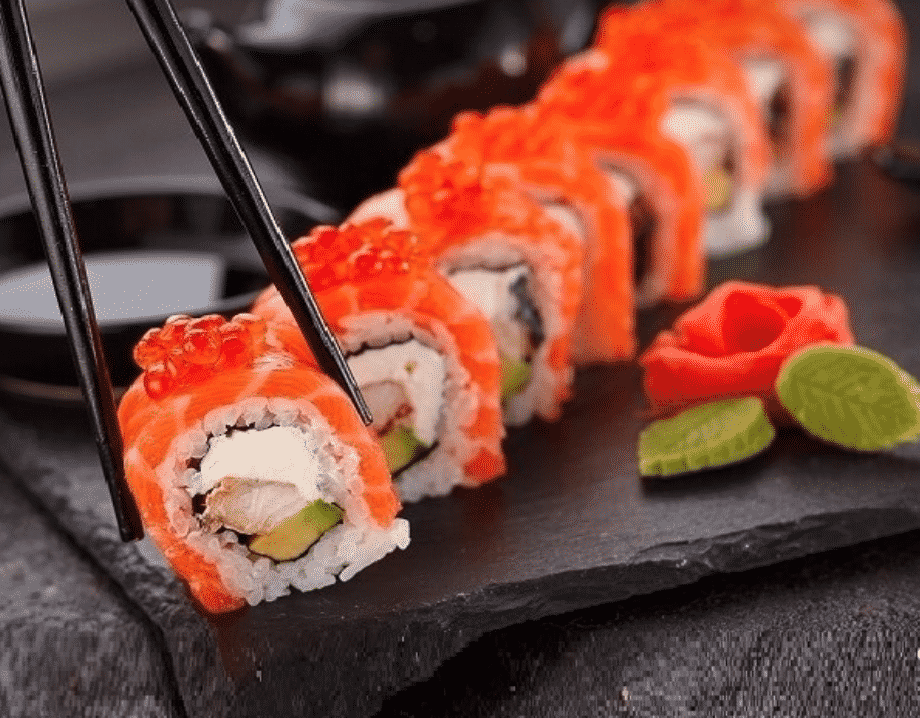
Okay, now that nosotros've gotten the formalities out of the way, it's time to talk well-nigh what's actually of import: food!
お腹が空いています (おなかが すいて います) "onaka ga suite imasu" — I'one thousand hungry
This literally means your stomach has go empty. Some variations are onaka ga suita (less formal), onaka hetta, hara hetta (masculine) and onaka ga pekopeko (onomatopoeia that means your breadbasket is growling).
まだ食べていません (まだ たべて いません) "mada tabete imasen" — I haven't eaten nevertheless
For a more casual version, become ahead and say mada tabeteinai.
メニュー、お願いします (めにゅー、おねがい します) "menyuu, onegai shimasu" — Please bring me a menu
You can also opt for the more formal version: "Menyuu, onegai dekimasu ka?" — May I have the bill of fare?
それは何ですか? (それは なんですか?) "sore wa nan desu ka" — What's that?
You lot can utilize this phrase to ask what things are—perfect for getting new words!
これを食べてみたいです (これを たべて みたい です) " kore o tabete mitai desu" — I'd like to try this
Run into something that's caught your eye on the menu? You can comment on it with this!
…をください "…o kudasai" — I'd like…
State whatever you'd similar to society, and follow information technology with …o kudasai. For example: "Koohii o kudasai" — I'd like a coffee, please. That's my morning catchphrase!
…がありますか?"…ga arimasu ka" — Do you have…?
As a respond, you'll only hear arimasu.
…付きですか? (…つき ですか?) "…tsuki desu ka" — Does it come with…?
If you lot want to know if certain foodstuffs are included with your order, use this to ask away. For example: "Furaido poteto tsuki desu ka?" — Does it come up with fries?
…が食べられません (…が たべられません) " …ga taberaremasen" — I can't eat…
This is a skilful phrase for vegetarians, vegans and other people with dietery restrictions to larn. For instance, niku" is "meat" and sakana is "fish," then if you lot're on a strict veg diet, you can say: "Niku to sakana ga taberaremasen" — I tin can't eat meat and fish.
…アレルギーがあります (…あれるぎーが あります) "…arerugii ga arimasu" — I'1000 allergic to…
State any you're allergic to and add this phrase to the end to inform your listener of your allergies. Just to be rubber rather than sorry, y'all can inquire "…ga haitte imasu ka?" which means, "Are/Is at that place any … in information technology?" For example:"Tamago ga haitte imasu ka?" — Are there any eggs in it?
おいしいです! "oishii desu!" — It's delicious!
Oishii is a wonderful way to say something tastes great. If yous're just eyeballing a piece of cake, then oishisou, meaning "Information technology looks succulent," could be useful, besides. A coincidental and "manly" manner to say something is delicious is "umai!"
まずいです "mazui desu" — Information technology's terrible
Hopefully, you won't demand to utilize this phrase!
お腹が一杯です (おなかが いっぱい です) "onaka ga ippai desu" — I'k full
Is your friend trying to make you lot endeavour ane more dish? Say this to permit him know you tin can't eat another bite!
お勘定/お会計、お願いします (おかんじょう/おかいけい、おねがい します) "okanjou/okaikei, onegai shimasu" — Cheque, please
If you want to split the pecker, you lot can opt for one of these phrases: "Warikan ni shite kudasai" — Split the check, please; "Betsubetsu de onegaishimasu" — We'll pay separately, please.
いただきます "itadakimasu" — Let's dig in
This is used earlier excavation into your meal, similar to "Bon appetite."
ごちそうさまでした "gochisousama deshita" — Thanks for the meal
Later you've finished that scrumptious bowl of squid-ink noodles, you tin end your meal with gochisousama deshita. Likeitadakimasu, this phrase is a fixture at every repast.
Japanese Phrases for Social Gatherings
Show your friends and colleagues you know how to accept fun with these phrases during social gatherings.
食べましょう (たべましょう) "tabemashou" — Let's eat
When planning a fun solar day out with friends, there are a few casual phrases to use when discussing plans. If y'all decide to have lunch, country tabemashou!
飲みましょう (のみましょう) "nomimashou" — Let's beverage
Y'all can also advise grabbing a beverage by using this phrase.
行きましょう (いきましょう) "ikimashou" — Let's go
Once your plans are decided, it's time to caput out past saying this phrase.
やったー! "yatta" — Yay!
Are you lot excited that you've made plans to meet up? This word, expressed enthusiastically, will become that point across.
乾杯! (かんぱい!) "Kanpai" — Thanks!
Once the party has begun, it's essential to clink your spectacles together and say kanpai! Y'all say this phrase before drinking, not later on.
嬉しいです (うれしい です) "Ureshii desu" — I'grand happy
Meeting upwardly with friends is a fun experience. Limited your joy at your gathering with this phrase, earlier or after yous've had a few drinks.
お代わりをください (おかわりを ください) "okawari o kudasai" — Refill, please
Once you've started drinking and want a refill, state okawari o kudasai.
大丈夫です (だいじょうぶ です) "daijoubu desu" — I'm fine
This is a polite fashion to respectfully say "no," such every bit when you're done drinking for the dark.
Shopping in Japanese

With the streets brimming with food stalls and vendors, the high-end boutiques lining Ginza and the ultra-cool and unique souvenir shops, there's no way to avoid shopping while traveling through Nippon.
いらっしゃいませ "irasshaimase" — Welcome
You lot will hear a chorus ofirasshaimase! when you enter a store. Subsequently a day or ii in Japan, you're guaranteed to be hearing it in your sleep, too.
これは何ですか?(これは なんですか?) "kore wa nan desu ka" — What is this?
This phrase will work no matter what you're request nigh.
これは何というものですか? (これは なんという もの ですか?) "kore wa nan to iu mono desu ka" — What's this called?
Similar to the phrase above.
これはいくらですか?" kore wa ikura desu ka" — How much is this?
If the detail you want doesn't have a toll tag on it, simply ask the store clerk this question.
ちょっと高いです (ちょっと たかい です) "chotto takai desu" — It's a fleck expensive
If y'all haven't started your adventure of learning Japanese adjectives, so some essential shopping vocabulary is: " yasui" — cheap, like shooting fish in a barrel; "takai" — expensive, high; "takakunai" — inexpensive.
他の色がありますか? (ほかの いろが ありますか?) "hoka no iro ga arimasu ka" — Practise you lot have some other color?
Maybe that shirt would look better in blue rather than red. Use this to inquire away.
それを頂きます (それを いただきます) "sore o itadakimasu"— I'll have it
Say this, and the clerk will be charmed they've fabricated a auction!
クレジットカードは使えますか? (くれじっとかーどは つかえますか?) "kurejitto kaado wa tsukaemasu ka" — Can I use my credit carte?
If yous'd similar to use a traveler's check, then replace kurejitto kaado with: "Toraberaazu chekku" — traveler'south check. Your Suica and Pasmo cards, which are rechargeable cards you can utilise on Japanese trains, tin besides be used to pay for taxis or your groceries at select stores. Yous tin can ask: "Suika wa tsukaemasu ka?" — Can I apply my Suica?
包んでいただけますか? (つつんで いただけますか?) "tsutsunde itadakemasu ka" — Can I have it gift wrapped?
Perfect for wrapping up those souvenirs for your friends and family back home!
Japanese Slang
When you're making friends, you lot'll hear tons of these terms going back and forth. Many slang terms are written in katakana, which marks them as existence casual words.
So impress your new pals past jumping right in with these common Japanese slang terms!
ウケる (うける) "ukeru" — Funny, hilarious
Used in situations when something funny happens. Say your friend Kentaro fabricated a cracking joke—by saying ukeru , you'll let him know he struck your funny os.
超 (ちょう) "chou" — Super
This word is used to add emphasis, similar the words "super," "really" or "very." You could say, for case, that something is chou ukeru, or very funny.
ダサい (ださい) "dasai" — Lame
This one's commonly used to refer to things that are uncool or not fashionable.
キモい (ださい) "kimoi" — Gross
Kimoiis a contraction of the words "kimochi" — feeling, and "warui" — bad. It's used when you come across something disgusting, or that gives you the creeps.
ガチ (がち) "gachi" — Totally, actually, seriously
Yard achi implies that something actually took place, or was really as intense as the speaker claims.
半端ない (はんぱない) "hanpa nai" — Crazy, insane
Hanpa nai ways that something is awesome or insane, but in a good way, like an ballsy roller coaster ride.
The Most Common Japanese Nouns
How's this for some study motivation: knowing the 100 most common Japanese words means y'all understand fifty% of the linguistic communication! By establishing a cadre vocabulary, you'll have a solid foundation on which to build your house of Japanese knowledge.
To help get y'all to that halfway point, here are 100 of the most mutual Japanese nouns, divided into handy categories.
People
名前 (なまえ) "namae" — Name
人 (ひと) "hito" — Person
男の人 (おとこのひと) "otoko no hito" — Human being
女の人 (おんなのひと) "onna no hito" — Woman
お母さん (おかあさん) "okaasan" — Mother
お父さん (おとうさん) "otousan" — Father
お姉さん (おねえさん) "oneesan" — Older sister
お兄さん (おにいさん) "oniisan" — Older brother
おじさん "ojisan" — Uncle
おばさん "obasan" — Aunt
お爺さん (おじいさん) "ojiisan" — Grandfather
お婆さん (おばあさん) "obaasan" — Grandmother
息子 (むすこ) "musuko" — Son
娘 (むすめ) "musume" — Daughter
友達 (ともだち) "tomodachi" — Friend
学生 (がくせい) "gakusei" — Student
先生 (せんせい) "sensei" — Teacher
医者 (いしゃ) "isha" — Physician
警察官 (けいさつかん) "keisatsukan" — Police force officer
Fourth dimension
今日 (きょう) "kyoo" — Today
明日 (あした) "ashita" — Tomorrow
昨日 (きのう) "kinoo" — Yesterday
朝 (あさ) "asa" — Morning
昼 (ひる) "hiru" — Afternoon
夜 (よる) "yoru" — Night
時間 (じかん) "jikan" — Fourth dimension
前 (まえ) "mae " — Before
今 (いま) "ima" — Now
後 (あと) "ato" — Subsequently
月曜日 (げつようび) "getsuyoubi" — Mon
火曜日 (かようび) "kayoubi" — Tuesday
水曜日 (すいようび) "suiyoubi" — Midweek
木曜日 (もくようび) "mokuyoubi" — Th
金曜日 (きんようび) "kinyoubi" — Friday
土曜日 (どようび) "doyoubi" — Sat
日曜日 (にちようび) "nichiyoubi" — Sunday
午前 (ごぜん) "gozen" — A.M.
午後 (ごご) "gogo" — P.M.
日 (ひ) "hullo" — Twenty-four hours
週 (しゅう) "shuu" — Week
月 (がつ) "gatsu" — Month
年 (とし) "toshi" — Year
Directions
上 (うえ) "ue" — Above
下 (した) "shita" — Beneath
左 (ひだり) "hidari" — Left
右 (みぎ) "migi" — Right
中 (なか) "naka" — Inside
外 (そと) "soto" — Outside
北 (きた) "kita" — Due north
南 (みなみ) "minami" — South
西 (にし) "nishi" — West
東 (ひがし) "higashi" — Eastward
Places
所/場所 (ところ/ばしょ) "tokoro/basho" — Place
家 (いえ) "ie" — House
部屋 (へや) "heya" — Room
学校 (がっこう) "gakkou" — School
病院 (びょういん) "byouin" — Hospital
店 (みせ) "mise" — Store
ホテル (ほてる) "hoteru" — Hotel
空港 (くうこう) "kuukou" — Aerodrome
駅 (えき) "eki" — Station
バス停 (ばすてい) "basutei" — Coach finish
入り口 (いりぐち) "iriguchi" — Entrance
出口 (でぐち) "deguchi" — Go out
町 (まち) "machi" — Town
都市 (とし) "toshi" — City
Vehicles
車 (くるま) "kuruma" — Car
電車 (でんしゃ) "densha" — Train
地下鉄 (ちかてつ) "chikatetsu" — Subway
自転車 (じてんしゃ) "jitensha" — Wheel
飛行機 (ひこうき) "hikouki" — Plane
タクシー (たくしー) "takushii" — Taxi
バス (ばす) "basu" — Omnibus
Food & Drink
食べ物 (たべもの) "tabemono" — Food
ご飯 (ごはん) "gohan" — Repast
朝ご飯 (あさごはん) "asagohan" — Breakfast
昼ご飯 (ひるごはん) "hirugohan" — Tiffin
夕食/晩ご飯 (ゆうしょく/ばんごはん) "yuushoku/bangohan" — Dinner
肉 (にく) "niku" — Meat
魚 (さかな) "sakana" — Fish
果物 (くだもの) "kudamono" — Fruit
野菜 (やさい) "yasai" — Vegetable
飲み物 (のみもの) "nomimono" — Drink
お茶 (おちゃ) "ocha" — Tea
水 (みず) "mizu" — Water
コーヒー (こーひー) "koohii" — Coffee
ビール/生 (びーる/なま) "biiru/nama" — Beer
Other Useful Terms
服 (ふく) "fuku" — Dress
靴 (くつ) "kutsu" — Shoes
テレビ (てれび) "terebi" — Boob tube
電話 (でんわ) "denwa" — Telephone
携帯電話 (けいたいでんわ) "keitai denwa" — Prison cell telephone
映画 (えいが) "eiga" — Movie
ゲーム (げーむ) "geemu" — Game
値段 (ねだん) "nedan" — Price
箸 (はし) "hashi" — Chopsticks
本 (ほん) "hon" — Book
犬 (いぬ) "inu" — Canis familiaris
猫 (ねこ) "neko" — Cat
鳥 (とり)"tori" — Bird
Japanese Goodbyes: Farewell, Friend. Permit'south Keep in Affect.

Saying goodbye is never piece of cake, particularly if you're proverb information technology to a loved one or new friend with whom you've shared your travel experiences. Let them know how much yous care with i of the following farewells:
メアドを教えてもらえますか?(めあどを おしえて もらえますか?) "meado o oshiete moraemasu ka" — Could I accept your electronic mail address*?
If that's a niggling as well long to memorize, you tin ask: "Meruado o oshiete" — Tin I become your email accost? (Literally, "teach me your email")
手紙書くよ (てがみ かくよ) "tegami kaku yo" — I'll write you messages
Possibly you're into snail post! It'southward a great chance to practice writing Japanese.
着いたら、電話します/メールします (ついたら, でんわ します/めーる します) "tsuitara, denwa shimasu/meeru shimasu" — I'll phone call/email you when I arrive
Permit your new friends know you're safe when you touch down in your domicile land.
またすぐに来ますよ (また すぐに きますよ) "mata sugu ni kimasu yo" — I'll exist dorsum soon
Subsequently your trip to Nippon, I'm sure you'll want to head dorsum equally soon as possible!
遊びに来てくださいね (あそびに きて くださいね) "asobi ni kite kudasai ne" — Come visit me
If you sincerely want someone to visit you lot, you tin can add this boosted phrase:"Watashi no ie dewa, itsumo anata o kangei shimasu yo!" — You're always welcome in my dwelling house!
じゃあ、また! "jaa, mata!" — See you!
If you lot're non going to be waving your handkerchief in a heartfelt cheerio (where "sayounara" — farewell would be more than advisable), then "jaa, mata!" is a neat manner to say "see you lot!" You can also employ these options: "dewa mata" (slightly more than formal), "jaa ne," "jaa mata ashita ne" (see you tomorrow).
お元気で (おげんきで) " o genki de" — Take intendance
If "see you" is a little too casual for yous, then you can sayo genki de, instead. This literally ways "exist healthy" and can exist used to say, "Good luck!"
And there you accept it! With these phrases, y'all'll be able to make modest talk with new friends, or show others that you're sincerely interested in learning Japanese.
Just by incorporating a few of these phrases into daily life or chat, you'll be sure to hear 日本語が上手ですね! (にほんごが じょうず ですね!) "nihongo ga jouzu desu ne!" — You're skilful at speaking Japanese!
Download: This blog postal service is available as a user-friendly and portable PDF that you tin take anywhere. Click here to get a re-create. (Download)
Source: https://www.fluentu.com/blog/japanese/easy-japanese-words-phrases/
0 Response to "I Rocker Her Once Again She Started Talking Japanese"
Post a Comment